How to Understand Renewable Energy Definition and Its Importance?
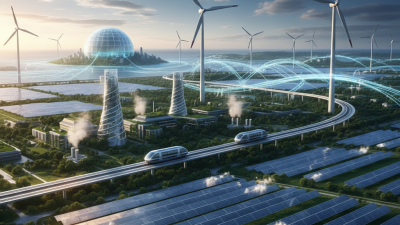
Understanding renewable energy is essential in today's world. The renewable energy definition encompasses energy sources that are naturally replenished. This includes solar, wind, hydro, and geothermal power. Each of these sources provides us with unique benefits, but they also pose challenges.
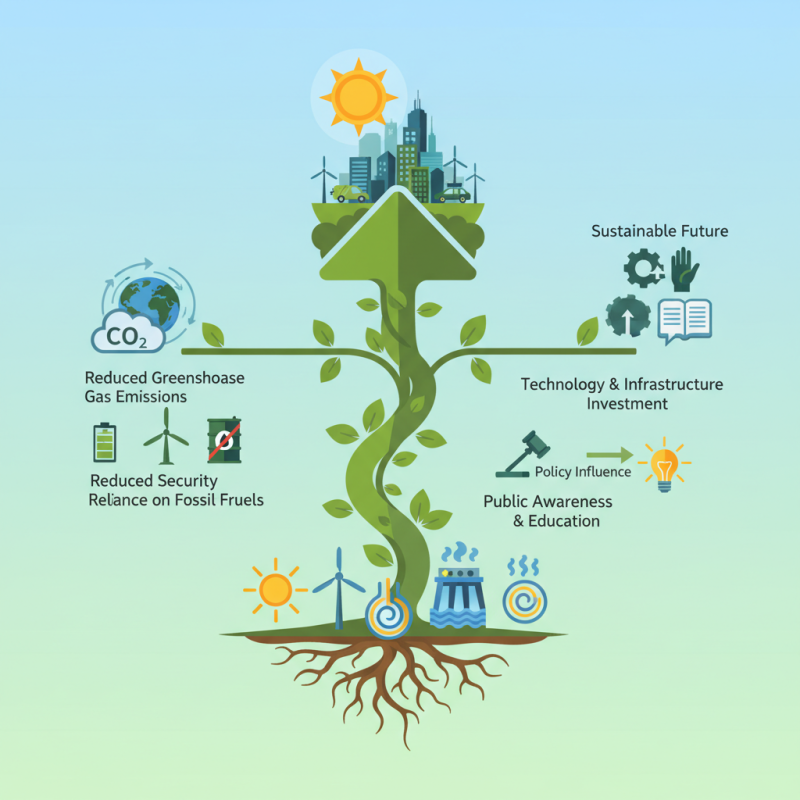
The importance of renewable energy lies in its ability to reduce greenhouse gas emissions. This aspect is vital for combating climate change. Furthermore, renewable energy contributes to energy security and reduces reliance on fossil fuels. However, transitioning to renewable sources isn't without obstacles.
Investments in technology and infrastructure are crucial. Public awareness and education about renewable energy are also necessary. It is vital to reflect on how policies shape energy choices. By understanding renewable energy, we can better appreciate its role in our future.
Defining Renewable Energy: Key Characteristics and Types
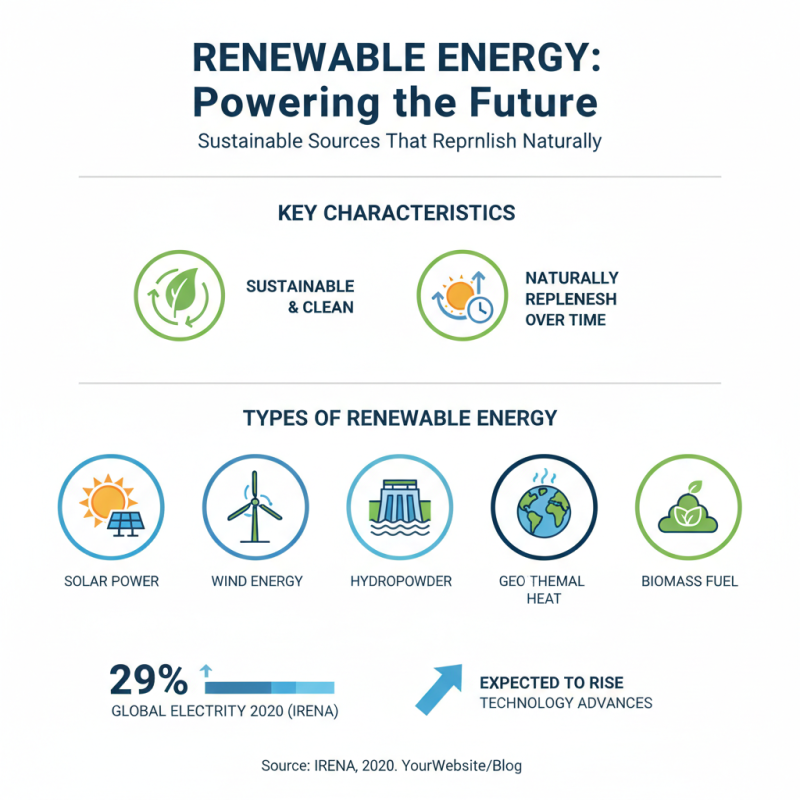
Defining renewable energy involves understanding its unique characteristics and the various types available. Renewable energy sources are inherently sustainable. They can replenish naturally over time. Key types include solar, wind, hydro, geothermal, and biomass energy. The International Renewable Energy Agency (IRENA) reports that in 2020, renewable energy accounted for 29% of global electricity generation. This number is expected to rise as technology advances.
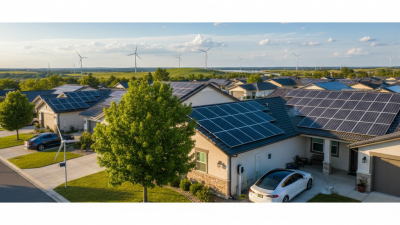
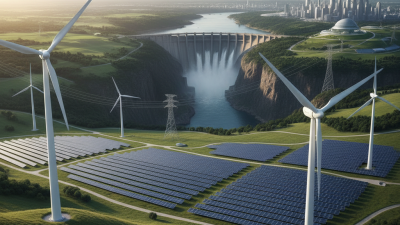
Solar energy relies on sunlight, converting it into electricity. It's versatile and can be used at homes or large-scale solar farms. Wind energy harnesses the power of air flow. Turbines capture wind kinetic energy and convert it to power. Hydro energy uses moving water, typically from rivers or dams, to produce electricity. This method is efficient but raising concerns over environmental impacts.
**Tips:** Research local resources before choosing a renewable energy source. A proper assessment can highlight the best options. Don't overlook smaller, often overlooked methods like geothermal energy for heating. Each option poses unique challenges. Evaluating these thoroughly is crucial for effective implementation.
The Role of Renewable Energy in Combating Climate Change
Renewable energy plays a vital role in addressing climate change. As global temperatures rise, the urgency for clean energy sources has never been greater. According to the International Renewable Energy Agency (IRENA), renewable energy could reduce greenhouse gas emissions by over 70% by 2050. This shift is crucial to meet the targets set in the Paris Agreement.
In 2021, renewable energy sources accounted for 29% of the global energy mix. Solar and wind energy lead the way, contributing to more sustainable energy generation. Despite progress, challenges remain. Infrastructure is often outdated and can’t support the transition. Access to renewable energy is still limited in many regions. The need for investment in technology and education is clear.
Importantly, transitioning to renewable energy must prioritize equity. Communities dependent on fossil fuels can be adversely affected. Many workers in traditional energy sectors face uncertainty. A just transition is necessary. It involves retraining and providing opportunities in renewable sectors. This approach can alleviate potential disparities and enhance community resilience.
Renewable Energy Sources and Their Contribution to Global Energy Production (2022)
This chart displays the contribution of various renewable energy sources to global energy production in 2022. As we aim to combat climate change, it's crucial to understand how these sources play a role in reducing carbon emissions.
Economic Benefits of Adopting Renewable Energy Technologies
Adopting renewable energy technologies brings significant economic benefits. According to the
International Renewable Energy Agency (IRENA),
the renewable energy sector created over 11 million jobs worldwide in 2018. This growth indicates the
potential for local job creation, particularly in regions where renewable projects are deployed. Solar and wind energy positions tend
to offer higher job growth rates compared to fossil fuels.
Investing in renewable energy can stimulate local economies. A report from the U.S. Department of Energy states that
every megawatt of solar power installed generates approximately six jobs. Communities can benefit from these jobs in
installation, maintenance, and system operations. Additionally, the cost of renewables has been decreasing. The Lazard Levelized Cost
of Energy Analysis shows that solar and onshore wind are now cheaper than coal in many areas.
However, challenges exist. Transitioning from fossil fuels to renewables may disrupt existing economy structures. Some regions heavily
reliant on coal or oil face job losses in the short term. Policymakers need to mitigate these impacts to ensure a just transition.
It's crucial to balance immediate job losses with the long-term advantages of a sustainable energy future.
The economic shift is necessary, but it requires careful planning and community support.
Challenges and Limitations of Renewable Energy Sources
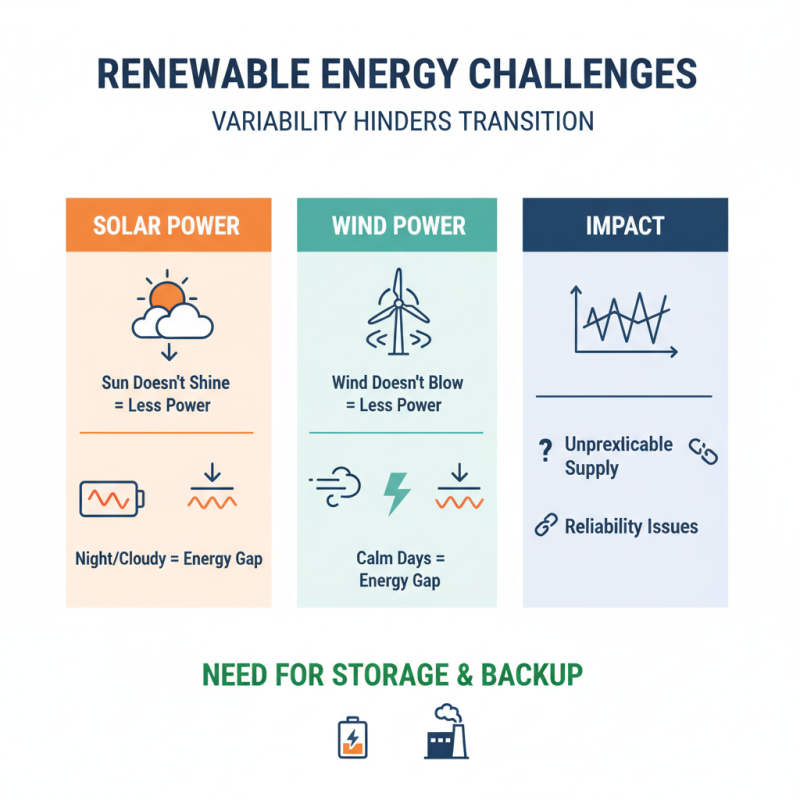
The transition to renewable energy sources is crucial for a sustainable future. However, several challenges hinder this shift. One major issue is the variability of these energy sources. Solar and wind power depend on weather conditions. When the sun doesn’t shine or the wind doesn’t blow, energy production can decrease significantly. This inconsistency makes it hard to rely solely on renewables for energy needs.
Energy storage is another concern. While technology like batteries has advanced, storing large amounts of energy remains expensive. This can lead to a surplus of energy during peak production times, wasting potential resources. In addition, infrastructure needs improvement. Many regions lack the necessary grid systems to distribute renewable energy efficiently. Existing grids often require upgrades to handle these new energy flows.
Lastly, public perception plays a role. Many people are still skeptical about renewable energy. Misconceptions about efficiency and reliability persist. This distrust can slow down policy changes and investments needed for progress. Addressing these challenges is essential for a successful transition to renewable energy. Acknowledging limitations is the first step toward innovation. Balancing optimism with realistic assessments will help pave the way forward.
Future Trends and Innovations in Renewable Energy Development
Future trends in renewable energy development reveal a dynamic landscape. According to the International Renewable Energy Agency (IRENA), Global renewable capacity reached 3,064 GW in 2020. This marks a significant increase from previous years. Solar and wind energy continue to lead the way. However, advancements aren't uniform across regions.
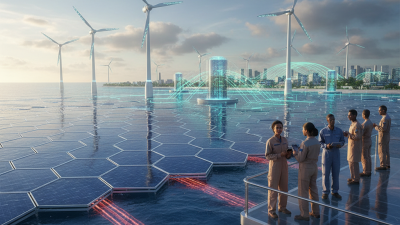
Innovations are crucial in boosting efficiency. For instance, floating solar panels and wind turbines are emerging trends. These technologies maximize space and harness energy from previously inaccessible areas. Yet, challenges remain. Integration into existing grids is often complex. Moreover, energy storage still demands breakthroughs. Despite improvements, the potential for storage solutions like batteries isn’t fully realized.
The shift toward renewables may seem straightforward. However, it is not without hurdles. Regulatory frameworks often lag behind technological advancements. Furthermore, public acceptance varies widely. Several studies indicate community resistance can delay projects. Understanding and addressing these issues will be critical for future success in renewable energy.
How to Understand Renewable Energy Definition and Its Importance? - Future Trends and Innovations in Renewable Energy Development
| Energy Source |
Definition |
Importance |
Future Trends |
| Solar Energy |
Energy harnessed from the sun using photovoltaic cells or solar thermal systems. |
Reduces carbon footprint, provides energy independence, and decreases electricity bills. |
Advancements in solar panel efficiency and energy storage technologies. |
| Wind Energy |
Energy generated by converting wind currents into electricity using turbines. |
Sustainable energy source that can significantly reduce reliance on fossil fuels. |
Increased turbine efficiency and offshore wind farm development. |
| Hydro Energy |
Power generated from the flow of water, often through dams or run-of-the-river systems. |
Reliable and consistent source of energy with low emissions. |
Innovations in small-scale hydropower and environmental sustainability practices. |
| Geothermal Energy |
Energy derived from the heat stored beneath the Earth's surface. |
Provides consistent and stable energy, independent of weather conditions. |
Development of enhanced geothermal systems and new drilling techniques. |
| Biomass Energy |
Energy produced from organic materials like plant and animal waste. |
Reduces waste in landfills and results in lower greenhouse gas emissions. |
Advancements in waste-to-energy technologies and biofuel production. |