Top Energy Storage System Technologies You Should Know?
Energy storage systems are changing the way we manage and consume power. These systems store energy for later use, enhancing efficiency and reliability. As energy demands grow, innovative technologies emerge to meet these needs.
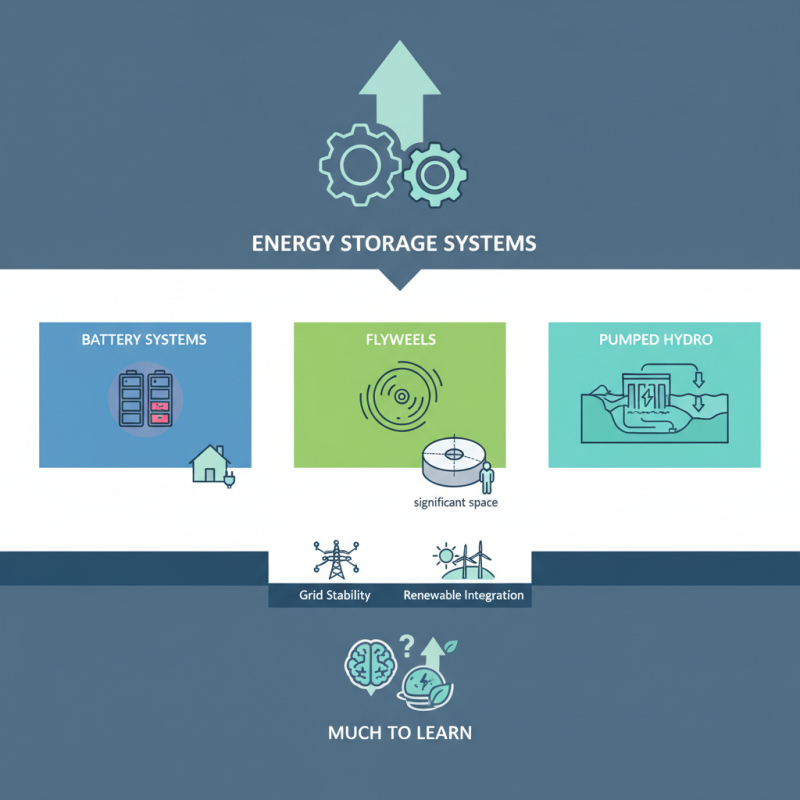
Battery systems, flywheels, and pumped hydro are just a few examples of existing solutions. Each technology has unique benefits and limitations. For instance, batteries are widely used but often face issues like degradation over time. Flywheels offer rapid discharge but require significant space.
Understanding these technologies is crucial. The right energy storage system can enhance grid stability and support renewable integration. However, there’s still much to learn. What works today may not be ideal tomorrow. Exploring advancements is essential for a sustainable energy future.
Overview of Energy Storage Systems and Their Importance
Energy storage systems play a crucial role in today's electricity landscape. They enable the efficient use of renewable energy sources like solar and wind. As these energy sources can be unpredictable, storage systems help balance supply and demand. This brings stability to the grid and reduces reliance on fossil fuels.
Different technologies are available, including batteries, pumped hydro, and thermal storage. Batteries are versatile and can be deployed in various settings. Pumped hydro systems rely on gravity and water, but require specific geographical features. Thermal storage, although less common, harnesses heat for later use. Each system has its strengths and limitations.
Understanding these systems is vital for progressing towards a sustainable future. The technology landscape is evolving, but challenges remain. Some systems are still costly to install and maintain. Additionally, recycling and environmental impact concerns need addressing. Energy storage will undoubtedly shape our future, yet we must carefully consider its implications.
Types of Energy Storage Technologies: An In-Depth Look
Energy storage technologies are crucial for balancing supply and demand. They enable renewable energy sources to deliver power consistently. Different technologies cater to various needs, making them vital for a sustainable future.
Batteries are the most common form of energy storage. Lithium-ion batteries are widely used due to their efficiency. However, they can degrade over time. Regular monitoring is essential to maintain performance. Ideal for short-term storage, they might not always provide the longevity needed for larger projects.
Another option is pumped hydro storage. It uses excess energy to pump water uphill. When energy is needed, the water is released to generate power. This method is effective but requires specific geographic conditions. Space and environmental impacts can limit its applicability.
Tips: Consider your specific needs before choosing a technology. Each option has its pros and cons. Research thoroughly to find the best fit. Effective energy management can prevent future complications.
Comparative Analysis of Lithium-ion and Solid-State Batteries
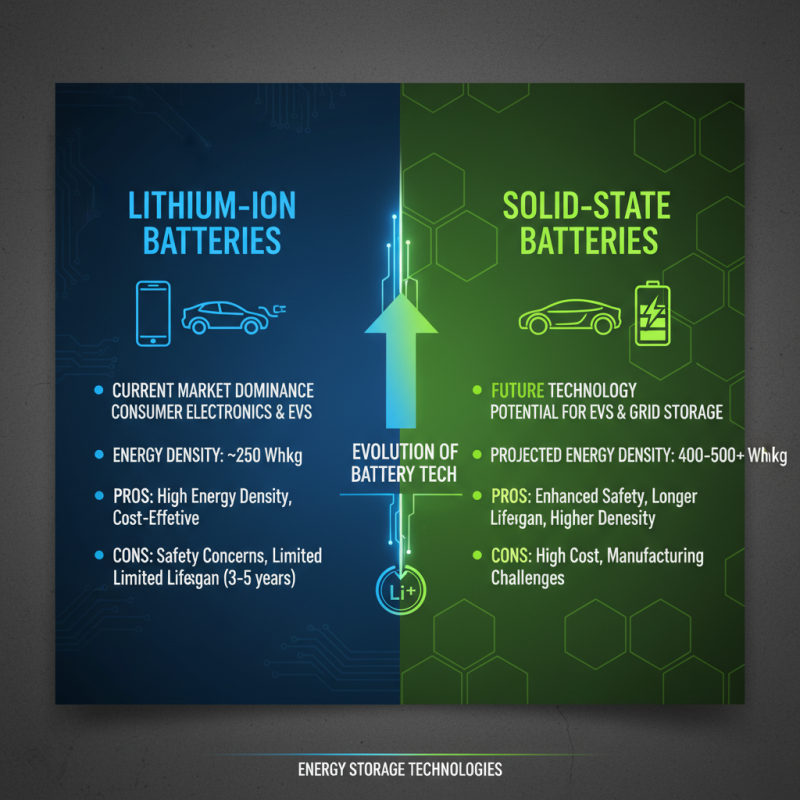
Lithium-ion and solid-state batteries represent two pivotal technologies in energy storage. Lithium-ion batteries dominate the current market, accounting for approximately 90% of all battery production. They are widely used in consumer electronics and electric vehicles due to their energy density and cost-effectiveness. The average energy density of lithium-ion cells is around 250 Wh/kg. However, they do have drawbacks, including safety concerns and a limited lifespan, typically lasting 3 to 5 years.
Solid-state batteries are emerging as a promising alternative. They use solid electrolytes instead of liquid ones, offering higher energy density, potentially reaching 500 Wh/kg. This could dramatically extend the range of electric vehicles and enhance performance across various applications. However, solid-state technology faces challenges, such as high production costs and integration difficulties. It is also not yet available on a large scale.
**Tip:** Consider the application of each type of battery. For short-term use, lithium-ion may suffice. For long-term investment, solid-state could be worth watching.
Exploring both options reveals critical trade-offs. Lithium-ion batteries are established but face safety hurdles. Solid-state batteries offer exciting potential but are still in development. Each technology has its place, depending on specific needs and contexts.
**Tip:** Stay updated with industry reports. They can provide insights into evolving technology trends and market forecasts.
Emerging Technologies: Flow Batteries and Their Advantages
Flow batteries are gaining attention in energy storage. They use liquid electrolytes, which allows for scalable energy capacity. This design can facilitate longer discharge times. Unlike traditional batteries, flow batteries can last much longer. They are durable and can endure many cycles.
One notable advantage is their flexibility. You can easily adjust the energy output based on needs. This adaptability suits renewable energy sources, like solar and wind.
However, flow batteries are not without drawbacks. They tend to have higher initial costs. Finding the optimal balance between cost and performance is crucial.
Tips: Consider the intended application when choosing a storage system. Evaluate both efficiency and longevity. Diversifying your energy storage can mitigate risks. Understanding the limitations is vital. Researching emerging technologies helps in making informed decisions.
Future Trends in Energy Storage Systems and Market Outlook
Energy storage systems are vital for a sustainable future. As the demand for renewable energy rises, so does the need for efficient storage solutions. According to a recent report by Market Research Future, the global energy storage market is projected to grow at a compound annual growth rate (CAGR) of 26.8% from 2023 to 2030. This trend reflects a significant shift towards cleaner energy.
One important trend in energy storage is the increasing adoption of lithium-ion batteries. Although powerful, their production raises environmental concerns. Some companies are exploring alternatives. Flow batteries, for instance, offer potential. They can store energy for longer periods and are more sustainable than traditional batteries. However, their scalability remains an issue. Striking a balance between efficiency and environmental impact is critical.
Tips for energy storage investments: look for emerging technologies. The future may involve advancements in solid-state batteries. These promise higher energy density and safety. Keeping an eye on these developments can be beneficial. Continual innovation is crucial—monitor changes in regulations and technology. Adaptability will be essential in navigating this dynamic market.