What Is a Hydrogen Power Generator and How Does It Work?

A hydrogen power generator converts hydrogen’s chemical energy into usable electricity. It can support homes, remote facilities, backup systems, and selected industrial operations. Unlike a conventional diesel generator, it may produce water and heat at the point of use, depending on its technology.

The operating principle is easier to understand through a simple comparison. A fuel-cell generator feeds hydrogen into an anode and oxygen into a cathode. An electrolyte separates the hydrogen’s protons from its electrons. The electrons travel through an external circuit, creating electric current. Protons pass through the electrolyte and combine with oxygen. The main by-products are water and heat. Some systems use hydrogen in an internal combustion engine instead. That design burns hydrogen, so its emissions profile and efficiency require careful evaluation.

Real-world performance depends on hydrogen purity, storage pressure, temperature, ventilation, and maintenance. During field testing, technicians may check connections, monitor voltage, and inspect cooling systems before continuous operation. A quiet enclosure does not mean zero risk. Hydrogen is highly flammable, and safe installation requires appropriate equipment, trained personnel, leak detection, and professional standards. The energy source also matters. Hydrogen produced from renewable electricity may offer lower lifecycle emissions than hydrogen made from fossil fuels, but the full supply chain must be assessed.

The technology is promising, but not flawless. Fuel costs, storage limits, infrastructure gaps, and conversion losses remain important concerns. Understanding how a hydrogen power generator works helps readers judge its benefits realistically. It also encourages better questions about efficiency, reliability, safety, and environmental impact.

What Is a Hydrogen Power Generator and How Does It Work?

What Is a Hydrogen Power Generator?

A hydrogen power generator is a system that produces electricity from hydrogen, usually through a fuel cell. Unlike a combustion engine, it does not burn hydrogen to create power. Instead, the fuel cell separates hydrogen molecules into protons and electrons. The electrons travel through an external circuit, creating usable electricity. At the same time, protons pass through a special membrane and combine with oxygen. The main by-products are water and heat.

A typical generator includes hydrogen storage, a fuel cell stack, air controls, cooling equipment, and power electronics. When operating, it may produce a quiet electrical hum and a small stream of warm water. This makes it useful for backup power, remote equipment, construction sites, and facilities requiring steady electricity.

However, its environmental performance depends strongly on how the hydrogen is produced. Hydrogen made with renewable electricity can reduce emissions, while hydrogen made from fossil fuels may carry a larger carbon footprint.

In practical work, system sizing matters more than impressive output figures. A generator must match the equipment’s starting surge, continuous load, and operating hours. Hydrogen storage also affects transport, installation, and emergency planning. The technology is promising, but it is not a magic box. Fuel-cell efficiency, cold-weather performance, maintenance needs, and hydrogen availability still require careful evaluation. The term “hydrogen generator” can also cause confusion, because some systems produce hydrogen, while others use hydrogen to generate electricity.

What Components Make Up a Hydrogen Power Generator?

A hydrogen power generator usually combines hydrogen storage with a fuel cell system. The storage vessel holds compressed hydrogen at controlled pressure. A pressure regulator then delivers a steady flow to the fuel cell stack. Hydrogen enters the anode side, while filtered air enters the cathode side. An electrochemical reaction produces electricity, heat, and water. No combustion occurs inside the stack.

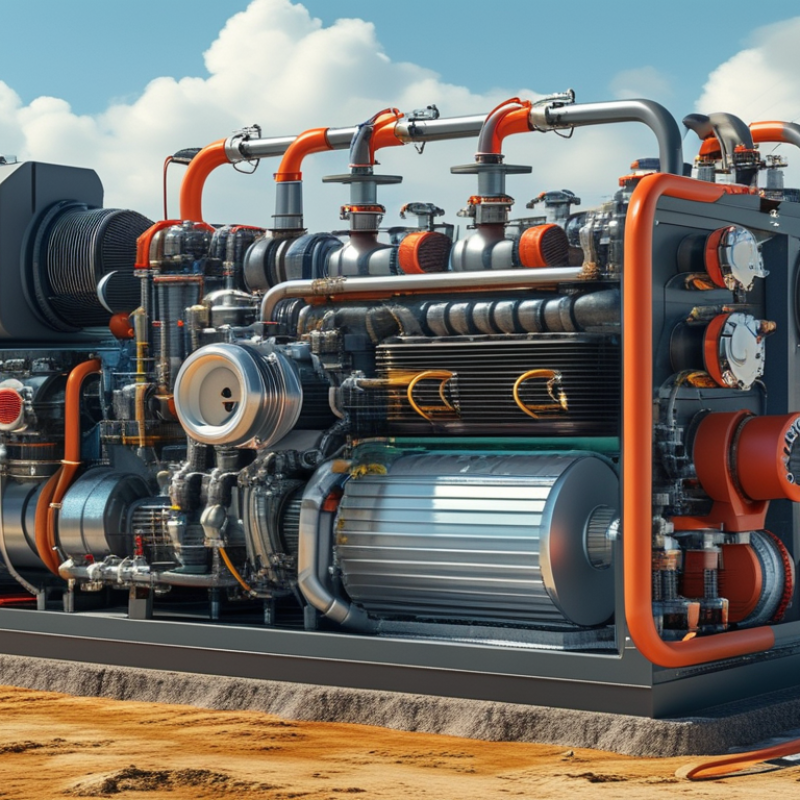
The fuel cell stack is the central component, but it cannot work alone. An air compressor or blower supplies oxygen, while pumps circulate cooling fluid and manage moisture. A water treatment unit may provide purified water for certain system designs. Sensors monitor pressure, temperature, hydrogen concentration, voltage, and airflow. The control unit adjusts these parts several times each second. An inverter converts the stack’s direct current into usable alternating current for electrical equipment. Small details matter.

Safety equipment surrounds the whole assembly. It may include leak detectors, ventilation fans, isolation valves, pressure relief devices, and automatic shutdown controls. A strong enclosure also protects wiring and sensitive components from heat and moisture. In practical installations, the layout is rarely as simple as a diagram suggests. Cable losses, cold starts, noise, and maintenance access can reduce performance. That balance needs testing. One limitation is often overlooked: the generator’s environmental benefit depends on how the hydrogen was produced. A careful specification should examine efficiency, water use, storage conditions, and local safety requirements before installation.

How Does Hydrogen Generate Electricity Step by Step?

A hydrogen power generator typically uses a fuel cell, not an engine that burns hydrogen. It converts chemical energy into electricity through an electrochemical reaction. The system needs hydrogen, oxygen from air, and carefully controlled operating conditions.

The process begins when stored hydrogen enters the anode side of the fuel cell. A catalyst separates each hydrogen molecule into protons and electrons. The proton crosses a special membrane, while the electron cannot pass through it. Instead, it travels through an external circuit, creating direct-current electricity for equipment. The proton then reaches the cathode and meets oxygen from incoming air. Electrons returning through the circuit combine with oxygen and protons. Water and heat are produced.

Real systems vary. Sensors monitor pressure, temperature, airflow, and possible leaks. Cooling channels remove excess heat, while power electronics regulate the electrical output. An inverter may change direct current into alternating current for household appliances. This explanation is simplified. Hydrogen carries energy made earlier, often through electrolysis powered by another source. If fossil energy produces that hydrogen, total emissions can be higher than expected. Compression, storage, and conversion also reduce efficiency. The clean water output does not prove the entire system is carbon-free. That detail is easy to miss.

What Is a Hydrogen Power Generator and How Does It Work?

How Does Hydrogen Generate Electricity Step by Step?

Example basis: 1 kilogram of hydrogen contains approximately 33.3 kWh of lower heating value energy. Using an assumed fuel-cell efficiency of 50%, inverter efficiency of 95%, and auxiliary-load efficiency of 95%, about 15.0 kWh of usable AC electricity remains.

Inside a hydrogen fuel-cell generator, hydrogen reaches the anode, where it separates into protons and electrons. The protons pass through the electrolyte, while the electrons travel through an external circuit and create direct-current electricity. At the cathode, the protons and electrons combine with oxygen to form water and heat. An inverter then converts the direct current into alternating current for electrical equipment.

What Are the Main Types of Hydrogen Power Generators?

Hydrogen power generators convert hydrogen into usable electricity, but their internal designs differ greatly. The category is less tidy than many advertisements suggest. Some systems generate hydrogen onsite, while others consume hydrogen supplied from storage. This distinction affects cost, safety planning, and operating reliability.

Fuel cell generators are the main low-emission type. Inside the cell stack, hydrogen reaches the anode and oxygen enters from the air. An electrochemical reaction produces electricity, heat, and water. There is no combustion flame. These units operate quietly and suit backup power, remote facilities, and sensitive equipment. Their performance depends on hydrogen purity, stack temperature, ventilation, and moisture control. In practice, maintenance is still necessary.

Hydrogen combustion generators use an engine or turbine, much like conventional equipment. The machine burns hydrogen with air, creating high-temperature gases that drive a crankshaft or turbine blades. They can deliver strong output and may use familiar mechanical systems. However, burning hydrogen can produce nitrogen oxides, especially at high temperatures. Careful burner design and exhaust treatment are essential. Hybrid generators combine fuel cells, batteries, and control software. They can respond quickly to changing loads, though the added components increase complexity. I have found that the “clean” label needs careful testing, because electricity sources, leakage, water use, and maintenance all influence the real environmental result.

What Is a Hydrogen Power Generator and How Does It Work? – Main Types of Hydrogen Power Generators

Generator Type Primary Input How It Works Typical Operating Temperature Typical Electrical Efficiency Main Emissions Common Applications
Alkaline Electrolyzer Electricity and water An alkaline electrolyte transfers hydroxide ions between electrodes while electricity splits water into hydrogen and oxygen. Approximately 60–90°C Approximately 60–75% on a lower-heating-value basis No direct carbon emissions when supplied with renewable electricity; indirect emissions depend on the electricity source. Large stationary hydrogen production, industrial gas supply and energy storage.
Proton Exchange Membrane (PEM) Electrolyzer Electricity and purified water A proton-conducting membrane allows hydrogen ions to pass through while oxygen is released at the anode and hydrogen is formed at the cathode. Approximately 50–80°C Approximately 55–70% on a lower-heating-value basis No direct carbon emissions when powered by renewable electricity; indirect emissions vary with the grid mix. Renewable-energy balancing, variable-load operation, refueling stations and compact installations.
Solid Oxide Electrolyzer (SOEC) Electricity, water and high-temperature heat A ceramic electrolyte conducts oxygen ions at high temperature. Steam is reduced at the electrode to produce hydrogen. Approximately 650–850°C Potentially above 80% when suitable process heat is available Emissions depend on the electricity and heat sources; no direct carbon emissions from water splitting alone. Industrial facilities with available high-temperature heat and integrated hydrogen production.
Steam Methane Reforming (SMR) Natural gas, steam and process heat Steam reacts with methane at high temperature to form synthesis gas, followed by a water-gas-shift reaction and hydrogen purification. Approximately 700–1,000°C Approximately 65–75% for the hydrogen-production process Typically about 9–12 kg of carbon dioxide per kg of hydrogen without carbon capture; actual values vary by plant and gas source. Large-scale industrial hydrogen production and refinery operations.
SMR with Carbon Capture Natural gas, steam and process heat Hydrogen is produced through steam reforming, while a carbon-capture system separates part of the resulting carbon dioxide for transport or storage. Approximately 700–1,000°C Generally lower than conventional SMR because capture requires additional energy Lower process emissions than conventional SMR, but residual emissions and upstream methane emissions may remain. Large hydrogen plants where carbon transport and geological storage are available.
Biomass Gasification Biomass, oxygen or steam, and process heat Biomass is converted at high temperature into synthesis gas, which is then cleaned, shifted and purified to obtain hydrogen. Approximately 700–1,200°C Varies widely, commonly around 35–55% for the overall conversion process Carbon dioxide and other pollutants can be produced; lifecycle emissions depend on feedstock sourcing and land-use practices. Projects using agricultural residues, forestry residues or other sustainable biomass resources.
PEM Fuel Cell Generator Hydrogen and air Hydrogen is oxidized at the anode, oxygen is reduced at the cathode, and the resulting electrochemical reaction produces electricity, heat and water. Approximately 60–80°C Approximately 40–60% electrical efficiency Water and heat at the point of use; lifecycle emissions depend on how the hydrogen is produced. Backup power, portable power, vehicles and distributed electricity generation.
Solid Oxide Fuel Cell Generator Hydrogen, or certain hydrogen-rich fuels after internal processing, and air A solid ceramic electrolyte conducts oxygen ions at high temperature, producing electricity through an electrochemical reaction. Approximately 600–1,000°C Approximately 50–65% electrical efficiency; higher total efficiency is possible with combined heat and power. Very low pollutants when operated on hydrogen; emissions vary if a carbon-containing fuel is internally reformed. Stationary distributed generation, microgrids and combined heat-and-power systems.

Note: Efficiency, emissions, operating temperature and hydrogen purity vary with system design, operating conditions, input quality and whether auxiliary equipment is included in the calculation.

Where Are Hydrogen Power Generators Used?

Hydrogen power generators produce electricity through an electrochemical reaction, not combustion. Hydrogen enters the fuel cell’s anode, while oxygen enters the cathode. The reaction creates electricity, heat, and water. In practice, these generators serve locations needing quiet, dependable, and low-emission power. Remote construction sites, telecommunications towers, hospitals, and emergency shelters are common examples. Remote sites need resilience.

At hospitals, hydrogen systems can support critical equipment during grid outages. Telecommunications operators may also use them as backup units where battery duration is limited. The U.S. Department of Energy’s Fuel Cell Handbook reports electrical efficiencies of roughly 40–60% for many fuel-cell systems. Combined heat and power systems can exceed 80% total efficiency. These figures look impressive, but field performance depends on load, temperature, maintenance, and hydrogen purity. The gap matters.

Hydrogen generators are also being tested in microgrids, warehouses, ports, and isolated communities. They can operate alongside solar and wind systems when renewable output falls. The International Energy Agency’s Global Hydrogen Review 2024 estimated global hydrogen demand at nearly 100 million tonnes in 2023. However, low-emissions hydrogen still represented less than 1% of supply. This exposes a practical weakness: clean hydrogen availability remains limited. Fuel delivery can become the real bottleneck. Even so, projects with regular access to hydrogen may reduce local emissions and improve backup reliability, especially where long-duration storage is essential.