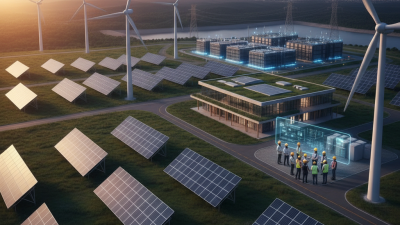
Choosing sustainable energy solutions is not simply a matter of buying solar panels or replacing a gas boiler. It requires careful attention to climate, building design, energy demand, and available infrastructure. A solution that performs well in a sunny region may struggle during long winters or frequent storms. Local conditions matter.
This guide examines practical choices through evidence, experience, and transparent comparison. It considers installation quality, equipment lifespan, maintenance needs, operating costs, and carbon emissions across the product lifecycle. Readers should check performance data from recognized testing bodies and seek advice from qualified, independent professionals. Manufacturer promises deserve verification. Numbers can mislead.
A reliable decision also includes daily realities. Can the roof support panels? Is battery storage safe and serviceable? Will a heat pump provide enough warmth on the coldest night? These questions often matter more than impressive product ratings. Household budgets, grid reliability, planning requirements, and future repairs must also be considered. No option is perfect.
The goal is not to promote one technology. It is to help readers compare sustainable energy solutions with patience and sound judgment. Some calculations may remain uncertain, especially when energy prices change or climate conditions shift. That uncertainty should be stated, not hidden. A thoughtful choice balances environmental benefit, financial resilience, technical performance, and long-term practicality.
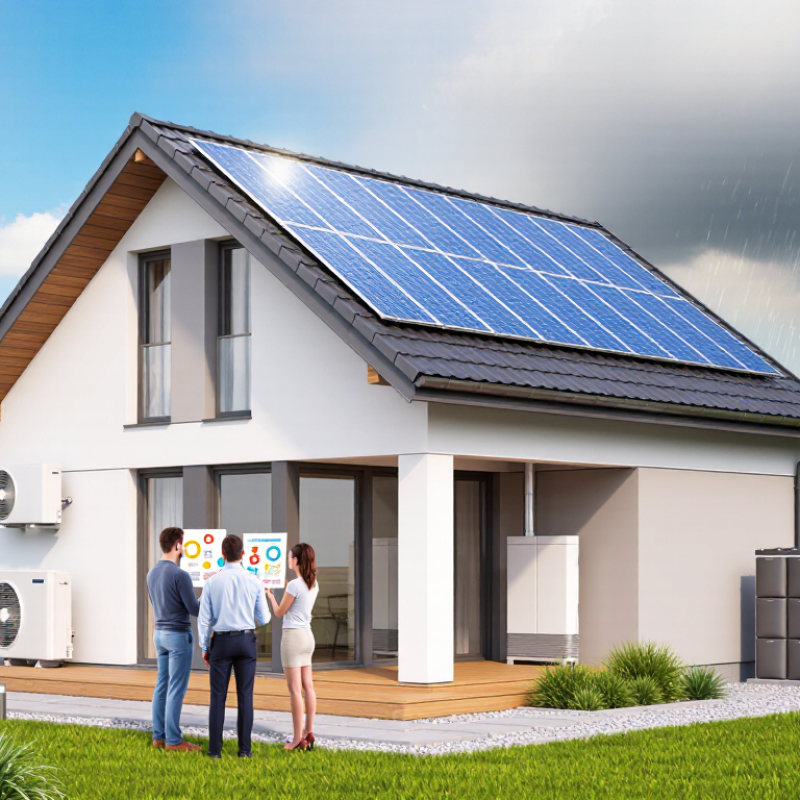
Sustainable energy means meeting today’s energy needs without weakening tomorrow’s choices. It usually comes from sources that replenish naturally, such as sunlight, wind, moving water, and responsibly managed organic materials. Yet sustainability involves more than replacing coal or oil. It also examines manufacturing, transport, maintenance, land use, and final disposal.
The core principle is lifecycle responsibility. A solar panel may produce clean electricity, but its materials still require mining and processing. Good decisions measure those impacts honestly. Energy efficiency matters too. Insulating a small home, sealing a cold window, or using efficient heating can reduce demand before new power is generated. Less waste helps.
Fair access is another principle. A rural family should not carry higher costs while others receive cleaner power. Reliable systems need storage, backup planning, and strong local networks. During a winter outage, a practical solution must still protect medical equipment and warm rooms. I once assumed renewable energy was automatically sustainable. That view was incomplete. Cost, materials, wildlife, water use, and community consent all deserve attention.
Experts often compare options using emissions data, operating life, reliability, and total cost. However, figures can vary by region and by project design. Check the source, the measurement period, and the assumptions behind each claim. A balanced choice may combine efficiency upgrades, local renewable generation, and careful demand management. Real progress can be quiet. A lower monthly bill is useful evidence. A cooler attic is tangible evidence.
Choosing sustainable energy begins with an honest assessment of energy needs. Review twelve months of electricity bills, not one convenient month. Note daily peaks, seasonal heating, cooling, cooking, and equipment use. A small home may need steady power, while a rural workshop may require higher output during short periods. I once underestimated evening demand because I ignored water heating. That mistake changed the system size and budget.
Local resources matter just as much. Walk around the property at different times. Record roof shade, wind exposure, available space, soil conditions, and flood risks. A sunny roof may lose useful light after nearby trees grow. A windy location may still lack consistent wind at turbine height. Check local permits, grid rules, weather records, and installation standards with qualified professionals. Their advice should include expected output, maintenance needs, replacement schedules, and safety controls. Ask for written assumptions.
Affordability also depends on local conditions. Compare upfront costs with expected energy savings, repair access, and financing terms. In remote areas, transport delays can make simple maintenance difficult. Battery systems may help during outages, but their capacity must match real evening use. I would not trust a proposal that promises perfect performance in every season. Weather changes, household habits shift, and forecasts remain estimates. A reliable decision leaves room for those uncertainties.
Choosing sustainable energy requires more than counting renewable megawatts. Solar and wind power produce electricity with low operating emissions, but their output changes with sunlight and weather. Batteries can balance this variability, though mining, manufacturing, and disposal create environmental costs. Hydropower offers steady generation, yet dams may disturb rivers, fish, and nearby communities.
Low-impact technologies deserve equal attention. Energy efficiency, heat pumps, passive cooling, and improved insulation can reduce demand before new generation is built. In a small building, sealing a drafty window may save more energy than adding another panel. However, performance depends on installation quality, local climate, grid conditions, and maintenance records. No option is flawless. I would compare full life-cycle impacts instead of trusting simple “green” labels.
Tips: Check local solar and wind data. Request verified life-cycle assessments. Measure energy use before investing. Compare repairability, land requirements, water use, and end-of-life plans. Consult qualified engineers and review independent studies. Keep realistic expectations; early estimates can be overly optimistic. A mixed system may work better than one technology alone. Track monthly output after installation, because real performance can differ from projections.
The most suitable solution depends on local resource quality, reliability requirements, land and water availability, ecological sensitivity, grid access, construction time, and total cost. The figures below are representative global ranges rather than guarantees for a specific site.
| Technology | Category | Typical Lifecycle Emissions (gCO₂e/kWh) |
Typical Capacity Factor | Operational Flexibility | Water Use | Primary Environmental Considerations | Best-Fit Applications | Overall Sustainability Profile |
|---|---|---|---|---|---|---|---|---|
| Onshore Wind | Renewable | Approximately 8–20 | 30–45% | Variable; improved with forecasting, storage, and grid integration | Very low during operation | Visual impact, noise, bird and bat collisions, and land-use conflicts can require careful siting. | Areas with strong and consistent wind resources; utility-scale generation and distributed projects | Very strong |
| Offshore Wind | Renewable | Approximately 10–25 | 40–55% | Variable, but often more consistent than onshore wind | Very low during operation | Marine habitat disturbance, fisheries interactions, seabed construction, and transmission requirements | Coastal regions with strong offshore wind and suitable ports and grid connections | Very strong |
| Solar Photovoltaic | Renewable | Approximately 20–60 | 15–30% | Variable and daylight-dependent; pairs well with batteries and flexible demand | Low during operation; water may be needed for panel cleaning in dusty regions | Land occupation, mining and manufacturing impacts, recycling needs, and end-of-life management | Rooftops, parking canopies, brownfields, and regions with high solar irradiation | Strong |
| Concentrated Solar Power with Thermal Storage | Renewable | Approximately 20–40 | 25–45% | More dispatchable than photovoltaic generation when thermal storage is included | Moderate to high for wet cooling; lower with dry cooling | Large land requirement, high solar-resource dependence, and potential impacts on desert ecosystems | Large, sunny areas where evening electricity demand and thermal storage add value | Strong where water and land are suitable |
| Hydropower | Renewable & Low-Impact | Approximately 5–80; site-specific | 30–60% | Often highly flexible; reservoirs can provide energy storage and balancing | High consumptive losses may occur through reservoir evaporation | River fragmentation, fish migration barriers, sediment disruption, flooding, and methane emissions from some reservoirs | Existing dams, suitable rivers, and projects designed with ecological safeguards | Strong only with careful site selection |
| Geothermal Power | Renewable | Approximately 20–50 | 70–95% | Generally firm and dispatchable, depending on the resource and plant design | Low to moderate; reinjection can reduce consumption | Drilling impacts, induced seismicity risk, mineral releases, and resource depletion if poorly managed | Regions with accessible high-temperature geothermal resources | Very strong where resources are suitable |
| Sustainably Sourced Biomass | Renewable | Approximately 100–400; highly feedstock-dependent | 60–85% | Dispatchable and suitable for firm power, subject to fuel availability | Moderate; varies by cooling system and feedstock production | Air pollution, land competition, biodiversity loss, transport emissions, and carbon debt if feedstocks are not sustainably managed | Waste residues, landfill gas, and regions with verifiable sustainable feedstocks | Moderate to strong with strict sustainability controls |
| Nuclear Fission | Low-Impact, Non-Renewable | Approximately 5–25 | 80–95% | Firm, high-capacity generation; some plants can load-follow | Moderate to high cooling-water requirements for many designs; lower with dry or hybrid cooling | Radioactive waste management, severe-accident risk, mining impacts, thermal discharges, and long construction periods | Power systems requiring reliable low-carbon generation and able to support large capital projects | Very strong for operational carbon reduction |
| Battery Energy Storage | Low-Impact Enabling Technology | Not a primary generation source; emissions depend on manufacturing and charging electricity | Typically evaluated by charge-discharge cycles rather than capacity factor | Fast response; commonly provides minutes to several hours of storage | Low during operation | Mineral extraction, manufacturing emissions, fire safety, degradation, and recycling or second-life management | Integrating solar and wind, peak shaving, frequency regulation, and backup services | Strong as part of a renewable-focused system |
Interpretation notes: Lifecycle emissions include construction, fuel production, operation, maintenance, and decommissioning where data are available. Capacity factor is the ratio of actual annual output to maximum theoretical output. Actual performance varies with location, technology design, operating practices, resource quality, and system boundaries. Comparative ranges are consistent with assessments from the Intergovernmental Panel on Climate Change, the International Energy Agency, the National Renewable Energy Laboratory, and peer-reviewed lifecycle studies.
A sustainable energy choice should begin with real household or business data. Review electricity bills, seasonal demand, available space, and local weather patterns. Request at least three detailed cost estimates from qualified, certified professionals. Include installation, permits, inspections, repairs, replacement parts, and financing charges. The lowest purchase price may hide expensive maintenance later. Numbers can mislead.
Benefits should be measured over the system’s full operating life. Estimate annual energy production, expected savings, service life, and recovery time for the initial investment. Check whether the local grid can accept exported electricity. Ask about warranties, emergency support, and performance testing. A written maintenance schedule is valuable.
I once underestimated winter output because nearby trees cast longer shadows than expected. That mistake changed the final calculation.
Environmental effects require more than counting carbon-free operating hours. Compare manufacturing emissions, transport distance, land use, water consumption, noise, and end-of-life recycling. A solution may reduce emissions while creating difficult waste problems decades later. Examine independent lifecycle studies and government energy data, not only sales materials. Risks also include extreme weather, battery fires, supply shortages, and changing regulations. Conservative estimates are safer than optimistic forecasts. Still, every assessment contains uncertainty. Document assumptions, update them annually, and accept that a technically efficient system may not suit every site.
A sustainable energy project succeeds through disciplined implementation, not attractive projections. Implementation should begin with a clear site assessment and realistic performance targets. Before installation, record electricity use, peak demand, operating hours, and seasonal changes. Include building occupancy and equipment conditions. A baseline turns ambition into measurable evidence. Set targets for energy savings, emissions reduction, reliability, and payback.
The first plan was too optimistic.
During commissioning, assign responsibilities for testing, documentation, and staff training. A qualified energy auditor can verify system settings and measurement methods. Check meters weekly during the first three months. Compare actual output with expected performance, using weather data where necessary.
Weather matters. A solar system may produce less during extended cloudy periods, while heating demand can rise sharply during cold weeks.
Keep maintenance records with dates, faults, repairs, and energy readings.
Small faults matter.
If readings drift, investigate before changing the equipment or target.
Monthly reviews should examine trends rather than isolated results. Simple dashboards can show consumption, peak demand, operating costs, and avoided emissions. Discuss failures openly, including missed inspections and inaccurate assumptions. Long-term improvement requires scheduled reviews, not occasional enthusiasm.
Replace unrealistic targets with evidence-based milestones when conditions change. One practical change might be adjusting operating schedules after observing empty rooms still consuming energy.
Staff feedback also matters, because users often notice noise, heat, or control problems first. Not every upgrade deserves approval. Compare lifecycle costs, maintenance needs, resource use, and expected performance before committing.
Document each decision so future teams can learn from both progress and mistakes.