10 Best Innovations in the Energy Industry You Need to Know About?
In the rapidly evolving energy industry, innovation plays a crucial role. Emerging technologies reshape how we produce and consume energy. These advancements not only promise efficiency but also sustainability.
Each innovation has its strengths and weaknesses. For instance, solar power is clean but can be costly. Energy storage solutions are vital, yet still face challenges in scalability. The quest for balance between effectiveness and affordability remains.
As we explore the ten best innovations, it’s essential to recognize the complexities within the energy industry. A clearer understanding allows us to appreciate both the potential and the obstacles ahead. The future of energy depends on these breakthrough ideas and our willingness to adapt.
Emerging Renewable Energy Technologies Shaping the Future
The energy sector is on the brink of transformation, driven by emerging renewable technologies. Solar power leads the way, with installations growing by over 20% annually. This surge highlights the shift toward sustainable energy sources. Countries worldwide are harnessing solar energy, making it a vital part of their energy portfolios.
Another promising innovation is wind energy. In 2022, global capacity reached over 900 gigawatts. Offshore wind farms are becoming more prevalent. These installations are often more efficient, but they also face challenges. Wildlife impact and installation costs remain significant concerns.
Energy storage technologies are crucial as well. Battery systems enhance the reliability of renewable sources. The global energy storage market is projected to exceed $100 billion by 2025. However, environmental impacts from raw material extraction for batteries are still under scrutiny. This growing sector must balance innovation with sustainability.
Advancements in Energy Storage Solutions and Their Impact
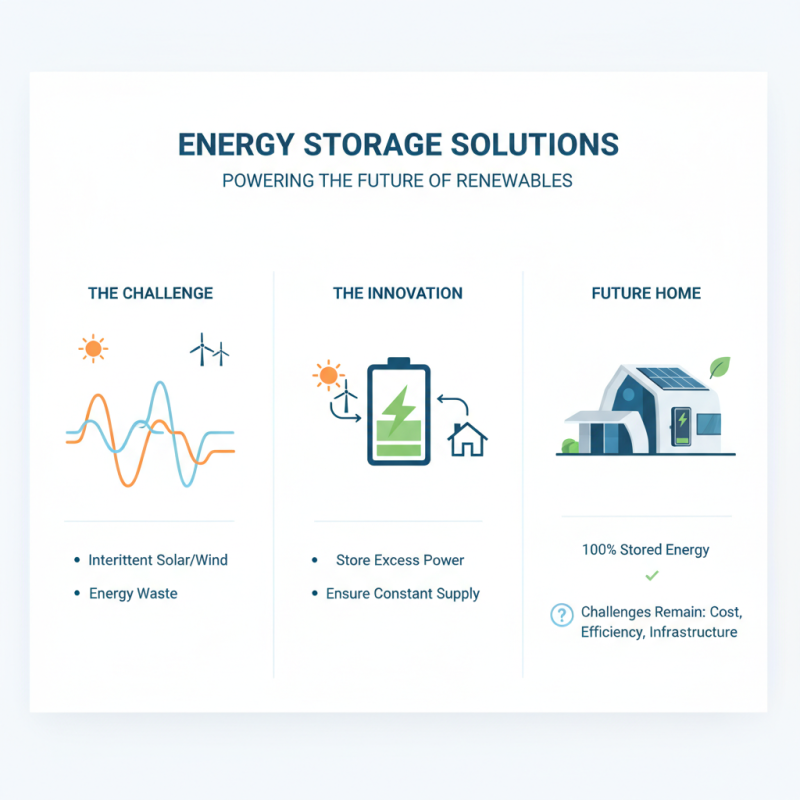
Energy storage solutions have become crucial as the world transitions to renewable sources. These innovations address the intermittent nature of solar and wind energy. By storing excess energy, we can reduce wastage. Imagine a day when homes run entirely on stored energy. It sounds promising, yet there are many challenges.
Current energy storage technologies like batteries face limitations. They often have a short lifespan and can be costly. Many still struggle with efficiency and scalability. Research is ongoing, but finding the right materials and systems is complex. When will we achieve fully sustainable solutions? The timeline remains uncertain, and many are left waiting.
Moreover, societal impacts cannot be ignored. Communities may become reliant on energy storage, which could create disparities. What about access to these technologies? Not everyone benefits equally. As companies innovate, it is essential to ensure that advancements do not enrich a few while leaving many behind. Balancing progress and equity is a critical, yet challenging, endeavor in this evolving industry.
Smart Grids: Enhancing Energy Distribution and Efficiency
Smart grids represent a significant shift in how energy is managed and distributed. These advanced networks use technology to optimize energy flow. Sensors, automation, and data analytics work together to enhance efficiency. This integration helps manage energy usage better and reduces wastage.
One critical feature of smart grids is real-time monitoring. Utilities can analyze consumption patterns. This allows them to respond swiftly to demand changes. However, data privacy concerns arise. Users must be cautious about how their information is handled. Transparent policies are vital.
Tips for users include adjusting usage during off-peak hours. Recognizing your peak times can save costs. Educating yourself about energy-efficient practices is equally important. Simple actions like turning off unused appliances can make a difference. As cities transition to smart grids, individual participation matters greatly. Every small step counts towards a more sustainable future.
The Role of Artificial Intelligence in Energy Management Systems
Artificial intelligence plays a crucial role in modern energy management systems. It enables real-time monitoring of energy usage. AI algorithms analyze vast amounts of data, identifying patterns and inefficiencies. This results in significant cost savings and enhanced sustainability efforts. However, the implementation of AI is not flawless.
One tip for improving energy management is to focus on integration. Many systems operate in silos. Connecting different platforms can provide a unified view of energy consumption. This integration allows for more accurate data analysis. It's essential to proceed with caution. Sometimes, data overload can create confusion rather than clarity.
Another important aspect is user engagement. AI-based systems often require user input to optimize their performance. Educating users about how to utilize these tools is vital. Misunderstanding AI capabilities can lead to underutilization. Ensuring clear communication and training can bridge this gap and foster a more energy-efficient culture.